

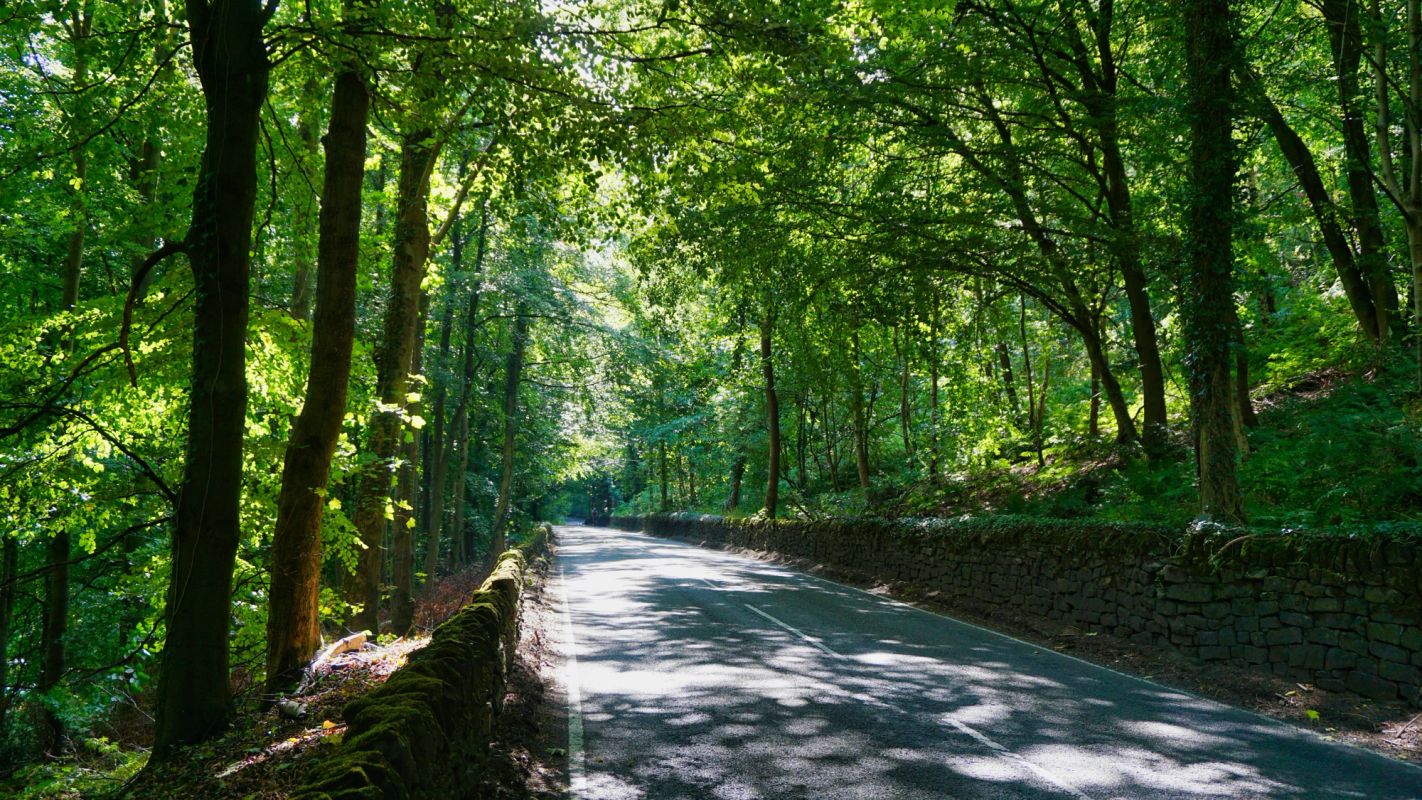
How to Read a Bend Before You Reach It
Learn how to read bends on the road using visual clues from all around

Why Reading Bends Matters
Every bend on every road gives you clues about what it will do before you reach it. An advanced driver reads these clues early and uses them to set the right approach speed, choose the correct gear, and plan a smooth line through the corner. This is not guesswork — it is systematic observation using features of the road and its surroundings that are available to everyone but noticed by very few.
The earlier you can read a bend, the more time you have to make speed adjustments progressively rather than abruptly. Progressive braking and smooth throttle application keep the car balanced and give your passengers a comfortable ride — both hallmarks of a skilled driver.
Hedgerows, Fences and Tree Lines
Hedgerows and fence lines often follow the road edge even when the road surface itself disappears around a bend. Look above and beyond the immediate road ahead — a hedgerow curving sharply to the left tells you the road does the same, often well before you can see the tarmac. Tree lines work similarly on rural A and B roads, giving you a preview of the road’s path from a considerable distance.
On country lanes, the height and density of hedgerows can also indicate how tight a bend is. A tall, thick hedge on a sharp bend may completely block your view, meaning you should treat it as a blind corner with a much lower approach speed than the limit point alone might suggest.
Lamp Posts and Telegraph Poles
In urban and semi-rural areas, lamp posts and telegraph poles are excellent indicators of road direction. They follow the carriageway faithfully and are tall enough to be visible well above walls, parked cars and other obstructions. A line of lamp posts curving to the right gives you an immediate picture of the road ahead, even if buildings obscure the road surface completely.
Road Signs and Markings
Chevron boards, bend warning signs, and advisory speed plates are the most direct clues the road gives you. A series of closely spaced chevrons indicates a sharp bend; widely spaced ones suggest a gentler curve. The number of chevron boards also matters — more boards typically mean a longer or more complex bend.
White centre line markings change as bends approach. A solid white line on your side means there is a significant hazard — often a blind bend where overtaking would be suicidal. Hatched areas at the approach to bends are designed to improve the angle of approach and should be respected, not driven over.
Reading the Road Surface
Tyre marks, worn patches and polished surfaces tell you where other vehicles have been. Dark rubber marks on the approach to a bend suggest heavy braking — a warning that vehicles regularly arrive too fast. Polished tarmac on the inside of a bend shows where vehicles have been cutting the corner, which tells you something about the severity of the curve.
Changes in road surface colour or texture at bends may indicate repairs following accidents — another clue that a particular corner catches drivers out. Combine all these signals with your limit point analysis for a comprehensive picture of what the bend will demand from you.
Putting It All Together
No single clue is definitive on its own. The skill is in combining multiple sources of information — the limit point, hedgerow lines, road signs, surface condition, and the behaviour of vehicles ahead — to build a mental model of the bend before you commit to it. With practice, this process becomes automatic and you will find yourself reading bends several hundred metres ahead, giving you all the time you need to set up for them perfectly.
Updated:
« Back to Knowledgebase