

Steering Techniques for Road Driving
Compare fixed-input and rotational steering methods for road driving. Understand when to use each technique and why smooth steering inputs matter for car control.

Why Steering Technique Matters
Steering is the primary way you direct the car through a bend, but it also has a profound effect on the car’s balance, grip, and stability. Jerky, erratic steering inputs unsettle the car and reduce the grip available for cornering. Smooth, deliberate inputs keep the car planted and predictable. The difference between good and average drivers is often most visible in how they steer.
There are two principal steering methods used by advanced drivers on the road: fixed-input steering and rotational steering. Each has its place, and understanding when to use which method will improve your cornering significantly.
Fixed-Input Steering
Fixed-input steering means you turn the wheel to the angle required for the bend in one smooth movement, hold that angle through the corner, and then unwind it in one smooth movement on exit. Your hands stay in the same position on the wheel throughout the bend — there is no shuffling or repositioning.
This technique works best on constant-radius bends where the steering angle does not need to change mid-corner. It provides the smoothest possible input and gives you maximum feedback from the front wheels. The Roadcraft system of car control recommends this as the default method for most open-road bends, because it minimises the number of steering corrections and keeps the car balanced.
Rotational Steering
Rotational steering — sometimes called hand-over-hand or cross-arm steering — involves feeding the wheel through your hands in a continuous rotation. One hand pulls while the other slides into position to take over, creating a fluid, continuous turning motion. This allows you to apply more lock than fixed-input steering can achieve without repositioning.
Rotational steering is essential for tighter bends, junctions, roundabouts and any situation where the steering angle exceeds what you can comfortably achieve with a single fixed input. The key is to keep the rotation smooth and continuous — avoid snatching at the wheel or letting it spin back through your fingers on exit. Control it positively in both directions.
Choosing the Right Technique
The choice between fixed-input and rotational steering depends primarily on the severity of the bend. For gentle, sweeping bends on A-roads and motorway slip roads, fixed-input is almost always appropriate. For tighter B-road bends, town roundabouts, and junctions, rotational steering gives you the range of lock you need. Many bends fall in between, and experienced drivers blend the two methods seamlessly.
Whatever method you use, the golden rules remain the same: steer smoothly, avoid sudden corrections, and never fight the wheel. If you find yourself making rapid steering adjustments mid-corner, you almost certainly entered too fast. The steering should confirm your speed was right, not compensate for it being wrong.
Hand Position and Grip
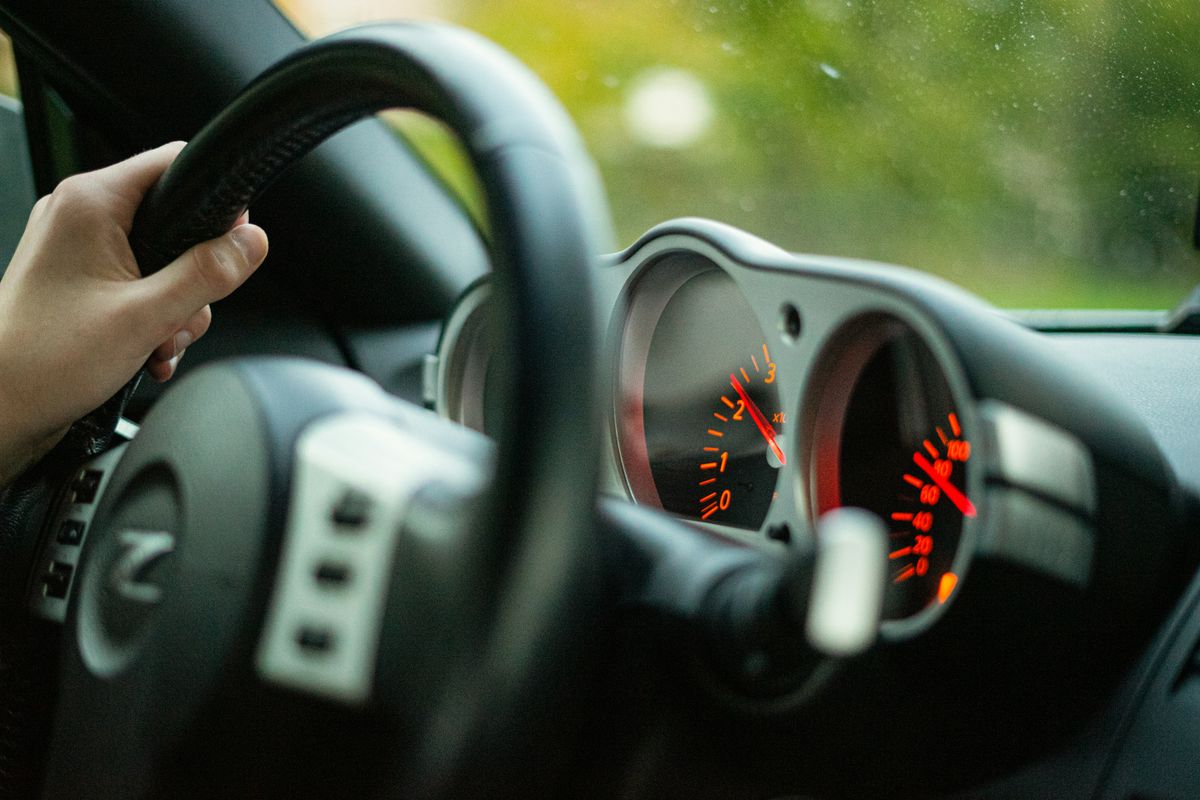
Start with your hands at the quarter-to-three or ten-to-two position. This gives you the widest range of movement in either direction without repositioning. Grip the wheel firmly enough to maintain control but not so tightly that your arms become rigid — tension in your arms reduces your sensitivity to what the front wheels are telling you through the steering.
Modern power steering can mask the feedback that older cars transmitted directly through the wheel. Make a conscious effort to feel what the steering is telling you about road surface, grip levels, and camber changes. This tactile information is invaluable for adjusting your speed and line through a bend, and it only becomes available if you hold the wheel with a relaxed, sensitive grip.
Updated:
« Back to Knowledgebase