

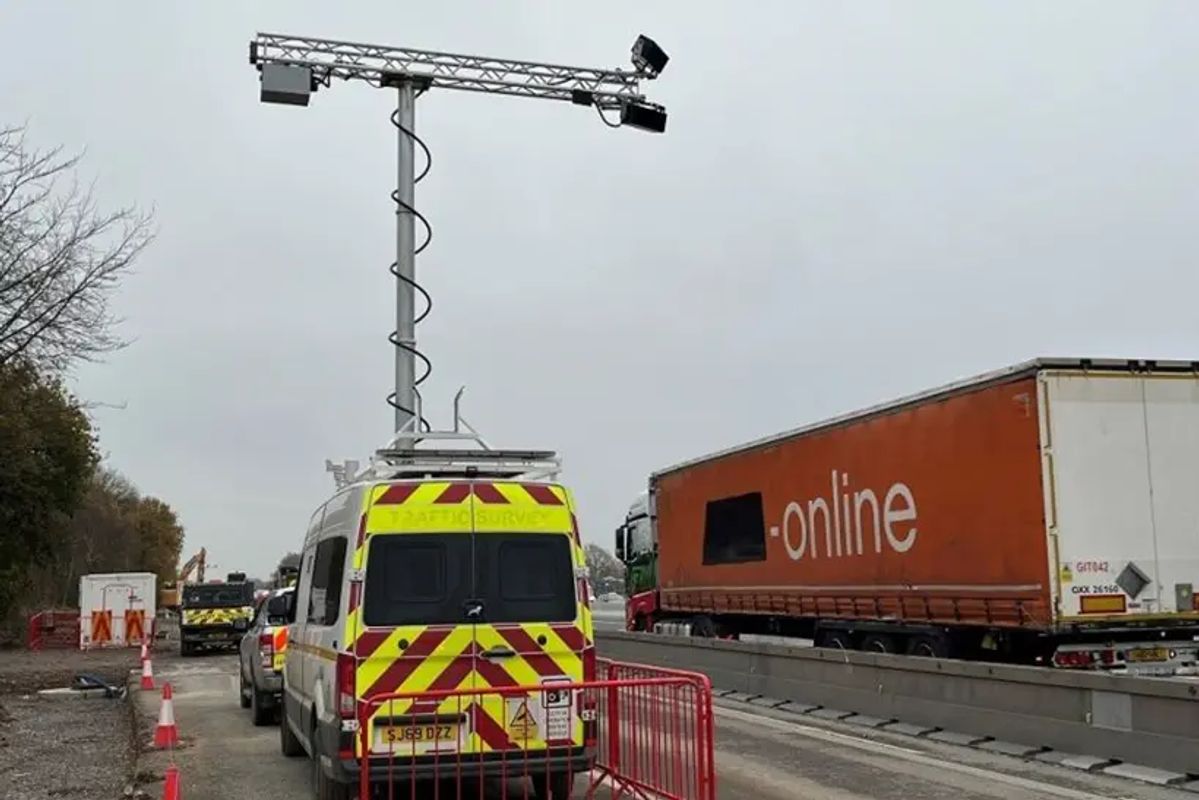
Trial of AI Spy Cameras to be Extended
National Highways double down on seatbelt and mobile phone monitoring

National Highways is expanding a pioneering trial of advanced CCTV camera technology designed to automatically detect drivers who are illegally using their mobile phones while driving or failing to wear a seatbelt. The initiative forms part of a broader effort to improve road safety standards across England's strategic road network.
The extended trial is now being rolled out across ten different police forces in England, with the programme scheduled to run until March 2025. The deployment of these AI-powered detection cameras represents a significant step forward in the use of technology to enforce existing road traffic laws and reduce the number of serious collisions caused by distracted or non-compliant drivers.
Matt Staton, Head of National Road User Safety Delivery at National Highways, commented on the expansion of the programme. "We will continue to invest in technology that could help make sure everyone using our roads gets home safe and well," he said. His remarks underline National Highways' ongoing commitment to leveraging innovative solutions to tackle dangerous driving behaviours on motorways and major A-roads.
The cameras are currently being deployed and operated by police forces in Durham, Greater Manchester, Humberside, Staffordshire, West Mercia, Northamptonshire, Wiltshire, Norfolk, Thames Valley, and Sussex. Each participating force is using the technology to identify and prosecute drivers who put themselves and other road users at risk by using a handheld mobile phone behind the wheel or neglecting to buckle up.
Early results from the programme have already demonstrated the effectiveness of the technology. A previous trial conducted by Devon and Cornwall Police successfully identified nearly three hundred offenders in just three days, highlighting the scale of non-compliance on England's roads and the potential of automated camera enforcement to act as both a deterrent and a detection tool.
Updated:
« Back to News