

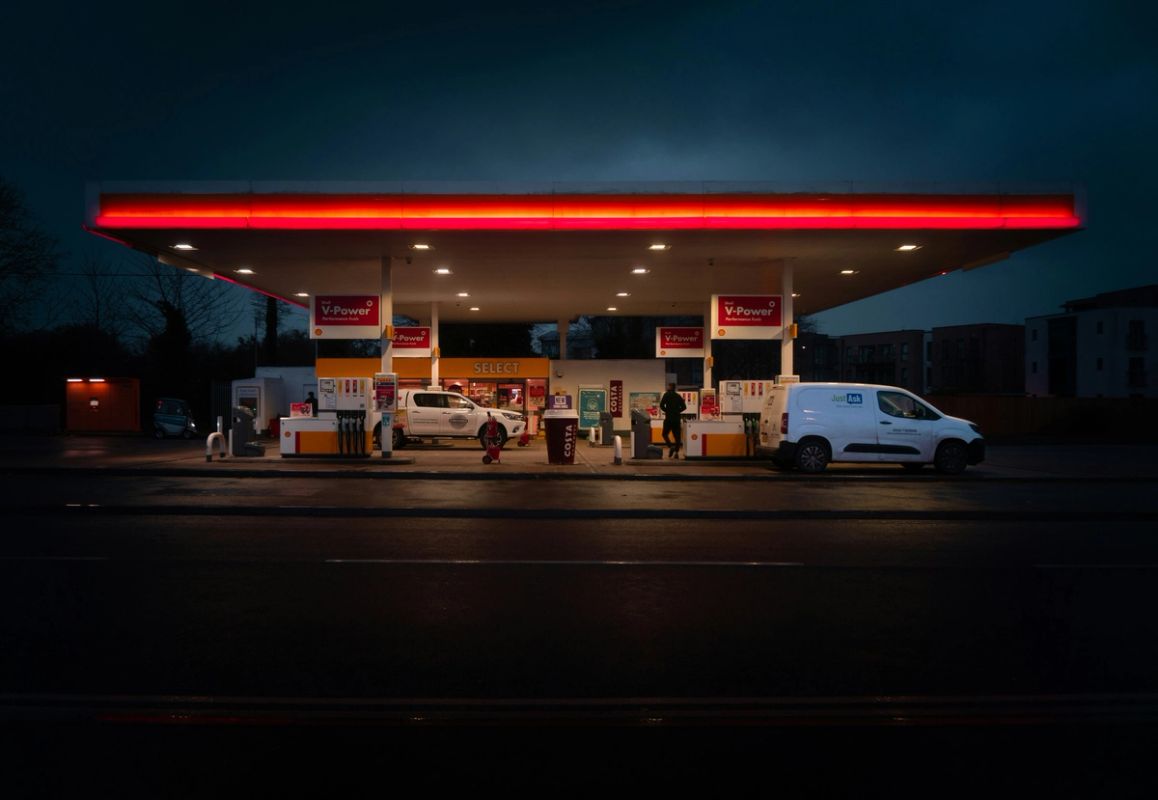
Fuel Finder enforcement begins
What the new pump-price crackdown means for UK drivers

From 1 May 2026, the Competition and Markets Authority can fine forecourts that fail to report price changes within 30 minutes. Bear in mind thought that the price you see on the app still isn't the price you pay until you've checked the "totem".
After a three-month grace period, the UK's mandatory fuel price transparency scheme has its teeth. From last Friday, petrol stations that ignore Fuel Finder rules, either failing to register, refusing to share data, or reporting prices that don't match what's on the pump, face formal investigation and financial penalties. The most serious breaches can attract fines of up to 30% of UK turnover. Is the industry taking it seriously though?
For drivers, the headline change is straightforward: the era of guessing whether the forecourt down the road is cheaper is meant to be over. In practice, the picture is more nuanced and there are still very good reasons to check the totem before you click the trigger.
What is Fuel Finder?
Fuel Finder is the government's open-data scheme for pump prices. Since 2 February 2026, every petrol filling station in the UK selling road fuel has been legally required to report any price change to a central database within 30 minutes of it happening at the pump. The data is then aggregated and made available to third-party apps, websites and satnavs, so drivers can compare prices in real time before they choose where to fill up.
Sites using the data include some vibe-coding looking projects like www.fuel-finder.uk and fuelspy.co.uk as well as the veteran of this space: www.petrolprices.com.
The scheme covers six fuel grades: E5, E10, diesel, super diesel, B10 and HVO and is enforced by The Competition and Markets Authority (CMA). The scheme implements the central recommendation of the CMA's 2023 road fuel market study, which concluded that competition between UK fuel retailers was weak and that drivers had no reliable way to shop around.
Why the 1 May enforcement deadline matters
When Fuel Finder went live in February, the CMA gave operators a three-month grace period to bed in their systems. The reasoning was practical: the scheme covers around 8,300 forecourts, each of which had to register, choose a reporting method (API, web portal, SMS or interactive voice response) and integrate price reporting into their day-to-day operations.
In an open letter to forecourt operators dated 2 April 2026, the CMA confirmed that period of patience is ending. The watchdog has stated:
*"From 1 May 2026, we will use our enforcement powers to start prioritising action against non-compliance relating to Fuel Finder, if we receive information that indicates formal action may be appropriate."*¹
The CMA has explicitly linked the move to the recent oil-price spike driven by conflict in the Middle East, saying it has "stepped up its monitoring of petrol and diesel prices" in response.¹
Gaming the System?
The pre-enforcement period has not been uneventful. Compliant forecourt operators have been openly warning that some sites are reporting one price to Fuel Finder and charging another at the pump.
Oliver Blake, operations director at Oasis Services in Long Riston, East Yorkshire, told Forecourt Trader that the lack of enforcement was creating a "Wild West" scenario, in which "unscrupulous petrol station owners are reporting cheaper prices to the government scheme than they offer to the public."²
Blake has documented at least one site where the Fuel Finder data and pump prices simply didn't match, and has questioned whether the CMA will have the resources to police the scheme effectively even after enforcement begins.²
The CMA's executive director Juliette Enser has said that VE3 Global "will refer matters to the CMA where businesses refuse to comply with the rules" and that the watchdog has "powers to investigate and take enforcement action such as issuing fines."²
The early focus, the CMA has signalled, will be on the clearest cases: forecourts that haven't registered at all, and those with persistent mismatches between reported and pump prices.
Why this still doesn't mean the app price is the pump price
This is the point that matters most for drivers, and it's the one being underplayed in some of the more triumphant coverage.
Even with enforcement in place, there are three structural reasons the price you see on an app may not be the price you pay:
The 30-minute reporting window is a maximum, not a guarantee of real-time accuracy. A forecourt can legitimately raise its price and report it 29 minutes later; an app refresh in those 29 minutes will show the old price. The CMA's own guidance acknowledges that "there will sometimes be a delay when forecourt fuel prices are set, and when prices are displayed by a third-party comparator," and that the regulator "does not validate the data."³
Manual reporting introduces error. Forecourts can connect their till systems to Fuel Finder via an API for automatic reporting, but many smaller operators report prices manually through a web portal, SMS or a phone-based voice menu. Manual entry is where most innocent discrepancies arise.
Enforcement is reactive, not real-time. The CMA acts on information it receives. A site that's posting wrong prices will only come to the regulator's attention if someone — typically a driver or a competitor — flags it. If you arrive at a forecourt and the pump price is higher than the app price, you can report the discrepancy directly through the government's reporting service.
The CMA itself is unambiguous on this point: drivers should "always check the price shown at the forecourt before buying road fuel."³
What drivers should actually do
The practical advice for the moment Fuel Finder enforcement begins is much the same as the advice the day before it began — only with marginally more confidence in the data:
- Check before you fill. Use whichever app or website works best for you — Fuel Finder data is currently feeding into multiple third-party services, including PetrolPrices, the myRAC app and various in-car satnav systems. There is no single official "Fuel Finder app"; the data is open, by design.
- Look beyond supermarkets. Independent forecourts can be genuinely competitive, especially outside the main supermarket clusters.
- Verify the totem and the pump. Even after enforcement begins, treat the app price as a strong indication, not a contract. The pump price is what you'll be charged.
- Report mismatches. If a forecourt's reported price is materially different from the price displayed on its totem or pumps, you can flag it to the CMA via the government's reporting service. This is how the enforcement regime gets the information it needs to act.
For most drivers, the meaningful saving doesn't come from Fuel Finder itself — it comes from the simple discipline of checking nearby prices before deciding where to fill up. Fuel Finder is making that check easier and more reliable. It isn't doing it for you.
Frequently asked questions
When does Fuel Finder enforcement actually start? 1 May 2026. The scheme itself has been live since 2 February 2026, but the first three months were a grace period during which the CMA focused on supporting forecourts to comply rather than fining them.
Can I trust an app's price 100% from 1 May? No, and the CMA has been explicit about this. The 30-minute reporting window means a price change can lawfully take up to half an hour to filter through to apps. Manual reporting can introduce errors. The price on the pump is the price you'll pay — always confirm it before filling.
Is there an official "Fuel Finder" app? No. Fuel Finder is an open data scheme: the government collects the price data and makes it available to third-party developers. Drivers access the data through commercial apps, comparison sites and satnavs. Several services — including PetrolPrices and the myRAC app — already integrate Fuel Finder data alongside their own sources.
What can the CMA actually do to a non-compliant forecourt? The CMA can investigate and impose financial penalties, including fines of up to 30% of UK turnover for the most serious breaches. The watchdog has signalled that initial enforcement will focus on clear-cut cases: forecourts that haven't registered, and persistent mismatches between reported and pump prices.
What should I do if a pump price doesn't match what the app showed? Report it. Drivers can flag price mismatches through the government's reporting service. These reports are one of the main routes through which the CMA identifies non-compliance.
How much will Fuel Finder save me? The government's central estimate is around £40 per year for an average car-owning household. In practice, the saving depends entirely on how much you drive and how disciplined you are about checking prices before filling up. Choosing the cheaper of two nearby forecourts on a typical 50-litre fill can easily save £5 or more per visit; the £40 figure is a national average, not a ceiling.
Does Fuel Finder cover EV charging prices? No. The scheme covers liquid road fuels only — petrol (E5, E10), diesel, super diesel, B10 and HVO. EV charging is a separate market with its own pricing transparency challenges.
References
- Competition and Markets Authority, Registering with and reporting your fuel prices to Fuel Finder, GOV.UK (updated 2 April 2026). https://www.gov.uk/government/publications/registering-with-and-reporting-your-fuel-prices-to-fuel-finder
- Forecourt Trader, "Lack of enforcement creates Fuel Finder 'Wild West'" (April 2026). https://forecourttrader.co.uk/latest-news/lack-of-enforcement-creates-fuel-finder-wild-west/717978.article
- Competition and Markets Authority, Access fuel price data (updated 8 April 2026). https://www.gov.uk/guidance/access-fuel-price-data
Updated:
« Back to News