

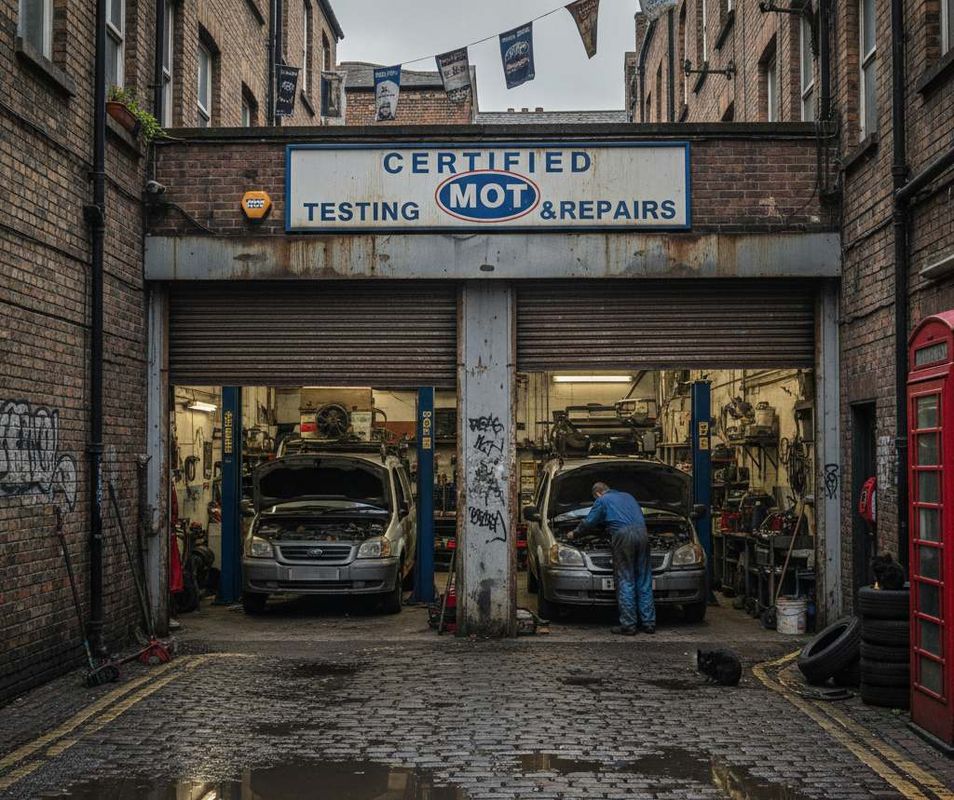
DVSA Cracks Down on Ghost MOTs with Live Photo Checks
Live photos to be snapped through DVSA App

Fake MOTs have plagued the UK’s vehicle testing system for years. But the DVSA has now taken a bold step to stamp them out by mandating live, real-time photo capture during MOT tests. If you’re an MOT tester, garage owner, or simply someone who values road safety, this is one update you’ll want to know about.
What Are “Ghost MOTs”?
“Ghost MOTs” are fraudulent tests logged in the system without the vehicle ever entering a garage. It’s as dodgy as it sounds: testers rubber-stamping passes for cars they haven’t seen, usually for cash. Aside from undermining trust in the MOT system, these fake tests put dangerous vehicles back on the road.
The DVSA’s new photo protocol aims to end this practice, using tech to add transparency and accountability to every test.
How the New Photo System Works
From now on, MOT testers must take a live photograph of the vehicle during its inspection using the official MTS (MOT Testing Service) app. This isn’t just a quick snap, it’s a locked-down, secure image capture designed to foil fraud attempts.
Here’s the critical bit: photos can’t be uploaded from a device’s storage. That means no camera roll trickery, no doctored images from a laptop, and certainly no AI-generated cheats.
Instead, the MTS app captures and immediately logs the photo to the DVSA’s secure system, tied to the MOT test record. It must show the whole vehicle in the testing bay, with the registration plate clearly visible. If something looks off, DVSA staff or automated systems can investigate.
Big Brother is Here
The DVSA is playing both defence and offence here. The system combines smart technology with targeted enforcement to sniff out anything fishy.
- AI & Data Matching: DVSA cross-references MOT records with data from ANPR (Automatic Number Plate Recognition) cameras. If your car supposedly passed an MOT in Manchester but was actually spotted cruising around Brighton that morning, they’ll know.
- Human Oversight: While the software flags inconsistencies, trained DVSA staff dig deeper, especially when patterns suggest a particular garage might be pushing boundaries.
- Visual Verification: All images are reviewable. If number plates look doctored, lighting doesn’t match the garage’s normal environment, or the same background appears in multiple vehicle photos then red flags go up.
Will It Actually Work?
All systems can be gamed, but this system raises the bar significantly. To pull off a successful fraud now, a tester would need to:
- Generate a realistic, high-res image of the exact vehicle, showing correct make, model, and reg.
- Embed perfectly matched metadata (time, date, GPS coordinates).
- Submit it through a live-only app they don’t control.
The DVSA is betting that’s simply too much effort for too little reward. And they’re probably right.
There’s also a deterrent effect. Knowing that every MOT image is scrutinised by both humans and machines will likely make all but the boldest fraudsters think twice.
Why It Matters
This isn’t just about catching dodgy garages. It’s about keeping unsafe vehicles off the road. The MOT exists to ensure minimum roadworthiness. A “ghost MOT” lets someone skip that test entirely. Bald tyres, dodgy brakes, broken lights, it all gets missed.
So when the DVSA tightens the system, we all win. Roads are safer, trust is restored, and garages doing things properly aren’t undercut by cowboys gaming the system.
Reference: https://mattersoftesting.blog.gov.uk
FAQs
Can MOT testers still use digital cameras or upload images?
No. Only photos taken live through the MTS app are accepted.
What happens if a garage is caught using fake photos?
The DVSA can suspend or permanently remove them from the MOT scheme, alongside potential legal action.
Will this apply to all vehicles and garages?
Yes, the live photo rule is being rolled out nationwide and applies to all approved MOT test stations.
Is my MOT more expensive now because of this?
Not directly. The changes are about procedure and security, not cost but there are separate discussions occurring about raising the test fee.
Updated:
« Back to News